Why Your Toilet Keeps Running
Three failed parts explain why a toilet keeps running, and each fault leaves a clue you can hear or test for. An inlet valve that never closes, a leaking flush valve seal or a water level set past the overflow keeps the cistern refilling on a loop.
If we're late, $100 comes off your bill

- Licensed and InsuredEvery job done by a licensed plumber. QBCC No: 15024607
- Fixed Quote FirstFlat-rate pricing, agreed before any work starts
- Lifetime Labour WarrantyBacked by our Fix-It-or-It's-Free guarantee (T&Cs apply)
- $0 Call-Out FeesNo extra charge for nights, weekends or public holidays
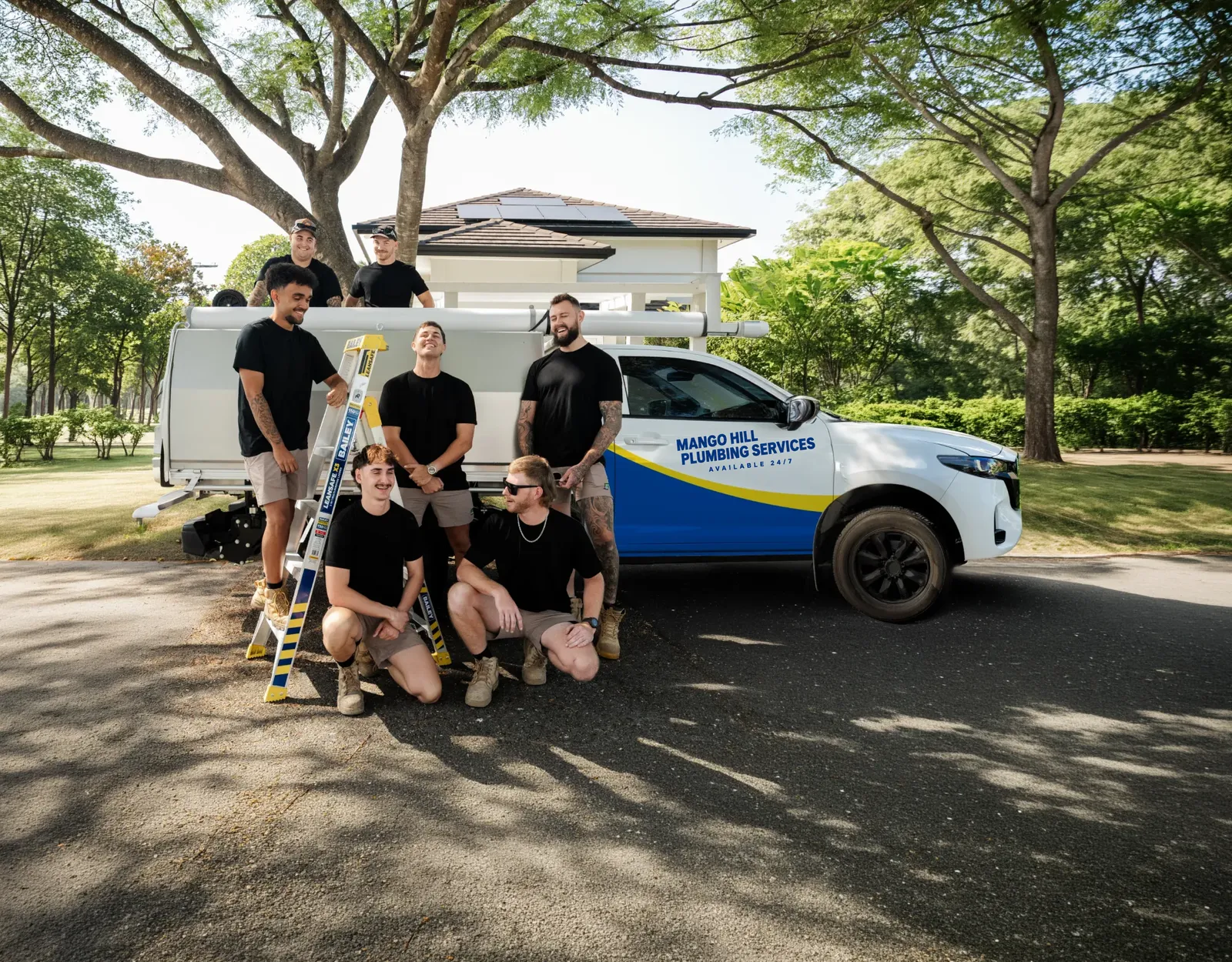
Mango Hill Plumbing Services put this guide together for Mango Hill households because a running cistern is one of the most common calls we get. Most of the suburb went up in one building wave from the 2000s onward, so whole streets of cisterns are wearing out their first washers together.
You get the three causes, a two-minute dye test, and the line where the job legally becomes one for a licensed plumber.
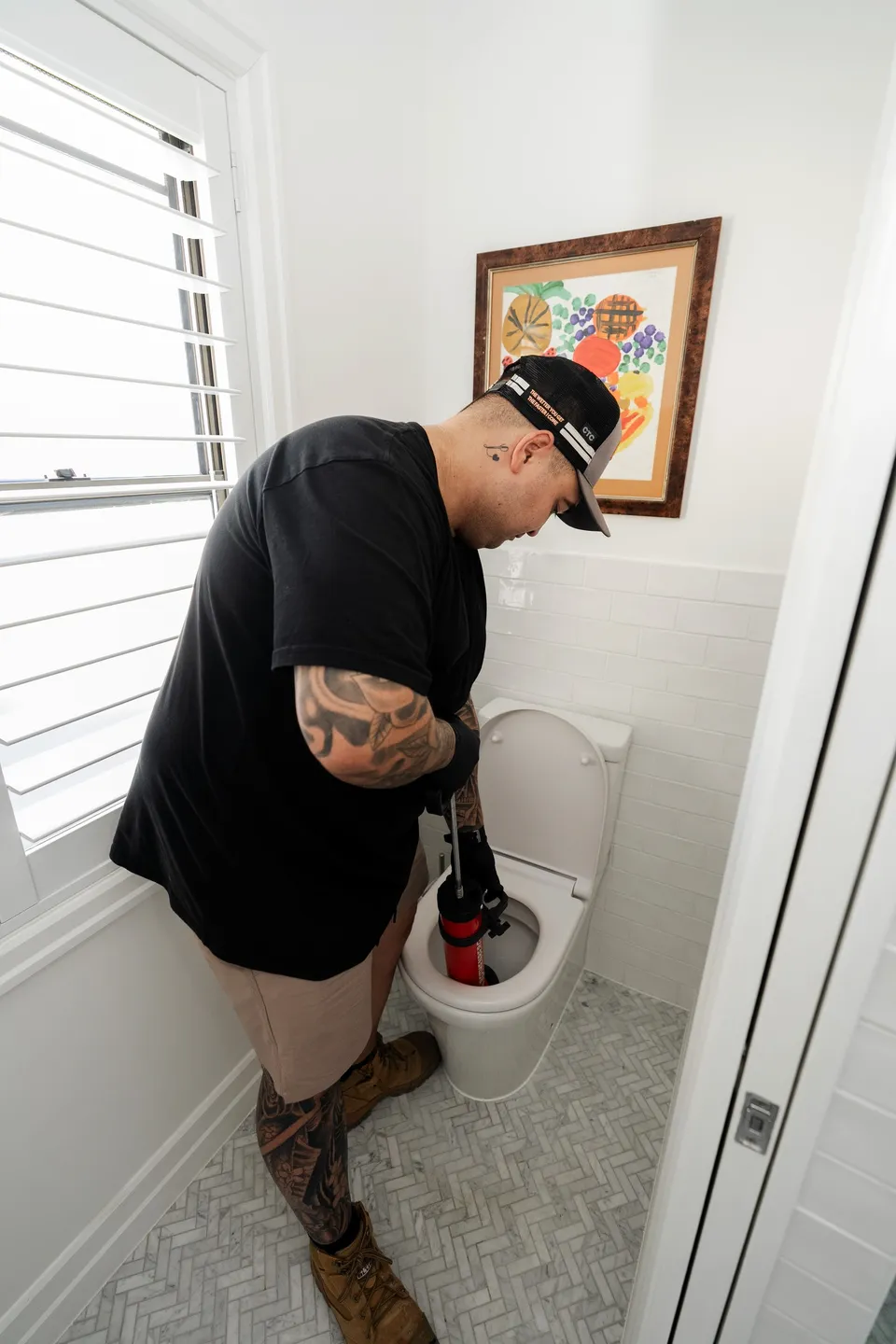
Why the Cistern Never Stops Filling
Three faults explain a cistern that never stops filling: an inlet valve that will not close, a flush valve seal passing water to the pan, and a water level past the overflow.
The inlet valve
The inlet valve refills the cistern after each flush and closes when the float hits its mark. Wear or grit inside the valve, and the water keeps dribbling past the point where the valve should stop. Listen for a steady hiss or trickle that carries on after the tank should be full.
The flush valve seal
The flush valve keeps the water in the cistern between flushes. Once the seal wears, water slips past into the pan, the level drops and the inlet valve tops the tank up again on a loop. A cistern refilling every few minutes on its own, or a trickle down the pan wall, blames the seal.
The overflow
The overflow is the cistern's safety exit, and the overflow only runs when the level climbs past where the level belongs. An inlet valve refusing to close, or a float sitting too high, sends water out through the overflow instead of onto the floor. An overflow pipe dripping outside tells the same story.
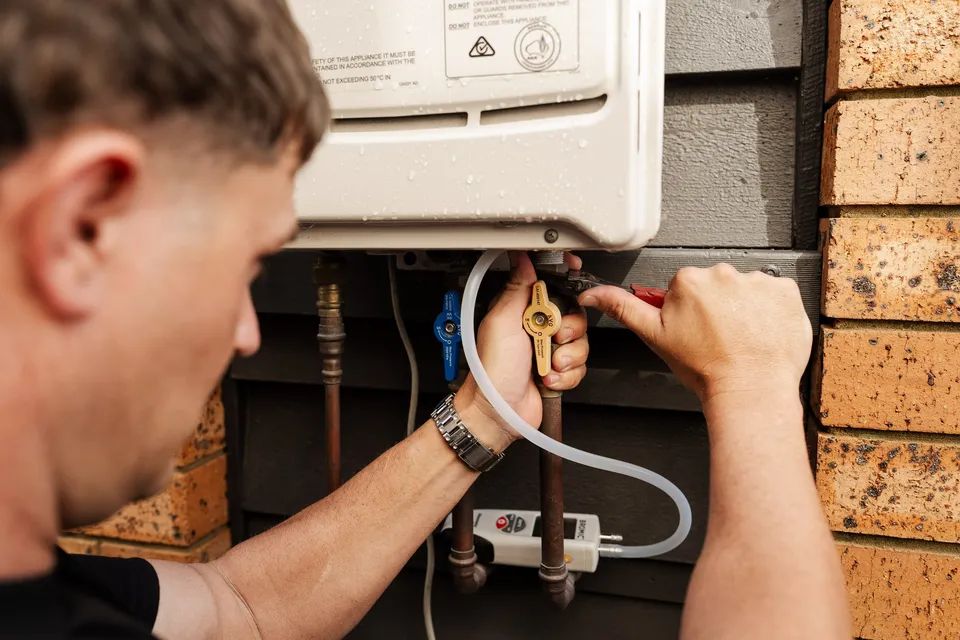
Water Runs but the Cistern Stays Low
A cistern that will not fill usually comes down to an inlet valve worn out or blocked with grit, a float sitting below its mark, or a stop tap nobody opened fully.
Start at the stop tap, because a tap only partly turned on starves everything downstream. A float sitting low tells the inlet valve to close early, so the tank stops short. Grit inside the valve slows the fill the same way.
One fault stands apart. Water can run with the cistern barely filling, because the flush valve seal drains the cistern as quickly as the supply fills the cistern. The supply works fine; the cistern just cannot hold what arrives.
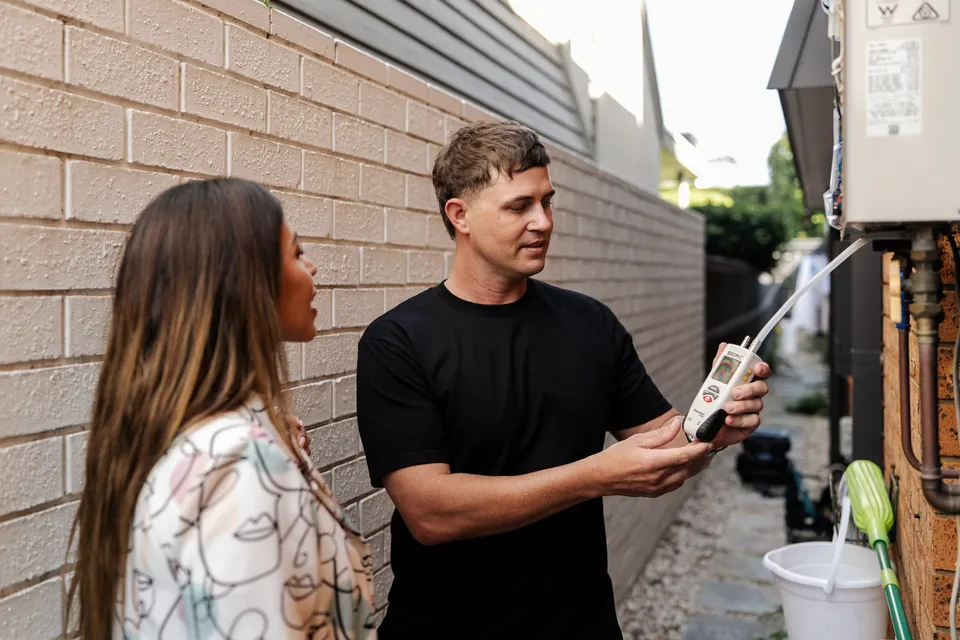
The Dye Test for a Leaking Cistern
Run the test in three moves: squeeze a little food colouring into the cistern water, wait without flushing, then check the bowl.
Colour turning up in the bowl with nothing flushed means water is passing from the cistern to the pan, which blames the flush valve seal. Flush afterwards; the colouring leaves no stain on ceramic.
No colour is an answer too. The flush valve is doing its job, and the inlet valve or the water level becomes the next suspect.
Out of food colouring? Press a strip of dry toilet paper high on the rear wall of the bowl, above the water line. Dry paper stays dry in a sound toilet; paper that wets through means water is creeping down the pan, so the toilet leaks.
Where Home Owner Toilet Repairs Stop
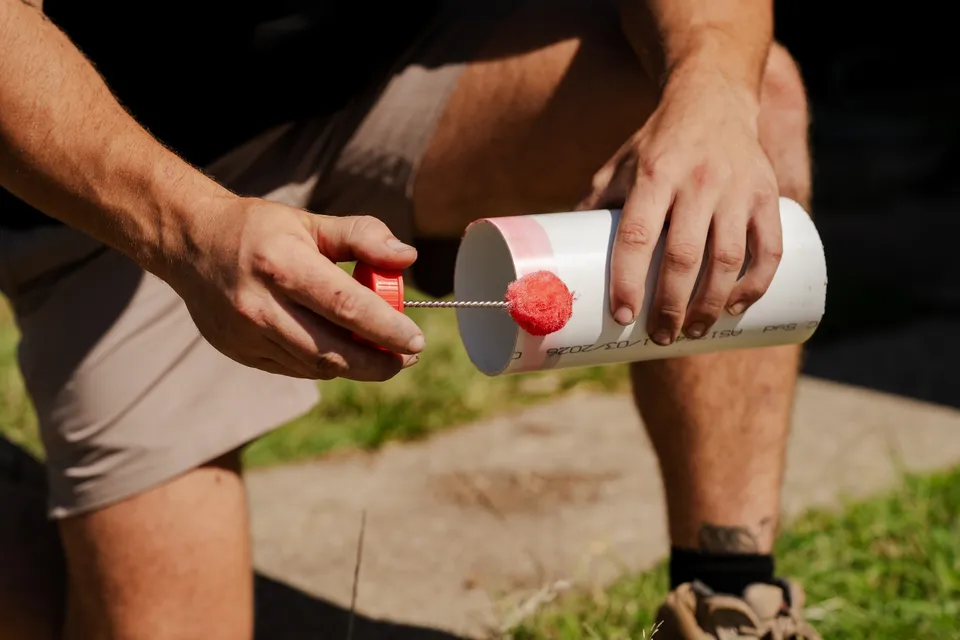
Queensland home owners may legally replace just three cistern parts: the washer on the drop valve, the washer on the float valve and the suction cup rubber.
The QBCC lists those three as unregulated work. Anyone who knows how and has the skill may do them, with no licence, approval or paperwork. The finished job still needs to reach the standards the rules set.
Every other toilet repair falls to a QBCC licensee as minor work, without a permit or a Form 4.
Renting? Queensland tenancy law makes the owner or manager responsible for keeping the place in good repair, and the tenant reports the problem straight away. The emergency list names blocked and broken toilets, not a cistern that runs, so the repair is routine and gets handled in a reasonable timeframe.
What a Running Cistern Does to Your Water Bill
No, Unitywater's adjustment for concealed leaks does not cover the water lost when a toilet keeps running, and the property owner carries responsibility for leaks and what the leaks lose.
The exclusion is broad: leaking taps, cisterns, hot water systems and other water appliances do not qualify, and neither do sprinklers, irrigation, pools or spas. Plenty of renting households around the estates share a billed water account, and a cistern that runs quietly for months lands on the owner's account either way.
The fix is the dye test and a plumber's visit, not an adjustment form.

When to Call a Plumber
Call when colour shows in the bowl, the hiss keeps going after the tank refills, or the overflow keeps dripping.
Anything past the QBCC's three washer-type parts belongs to a licensed plumber, and toilet repairs in Mango Hill are a steady part of our week. Mango Hill Plumbing Services finds the fault, quotes the fix and carries the parts a cistern of this age usually needs.
Running Toilet Questions We Hear
Call (07) 3524 7137Why won't my toilet stop running after I flush?
Usually the inlet valve is not closing, the flush valve seal leaks, or the level sits past the overflow. A hiss that never ends blames the inlet valve; a cistern that refills on its own blames the seal.
Can I fix a running toilet myself in Mango Hill?
Yes, but only within narrow limits. Queensland rules let you swap the drop valve's washer, the float valve's washer or the suction cup rubber, provided the work satisfies the standards. Everything else on a toilet is work for a licensed plumber.
Which toilet cistern parts can a home owner replace?
The QBCC's unregulated list covers three: the washer inside the drop valve, the one on the float valve, plus the suction cup rubber. No licence or approval is needed, though the finished job still has to satisfy the standards.
Will Unitywater cover a running toilet on my water bill?
No, Unitywater will not cover it. The concealed leak adjustment excludes water lost through a leaking cistern, and the property owner carries the loss. Leaking taps, hot water systems and other water appliances sit under the same exclusion.

Ring Us About That Running CisternWe'll call you back.
Ring (07) 3524 7137 and tell us what's wrong. You get $0 call-out fees, a fixed quote before any work starts and same-day where we can, 7 days a week.
To claim your $0 call-out fee, call (07) 3524 7137 today.